

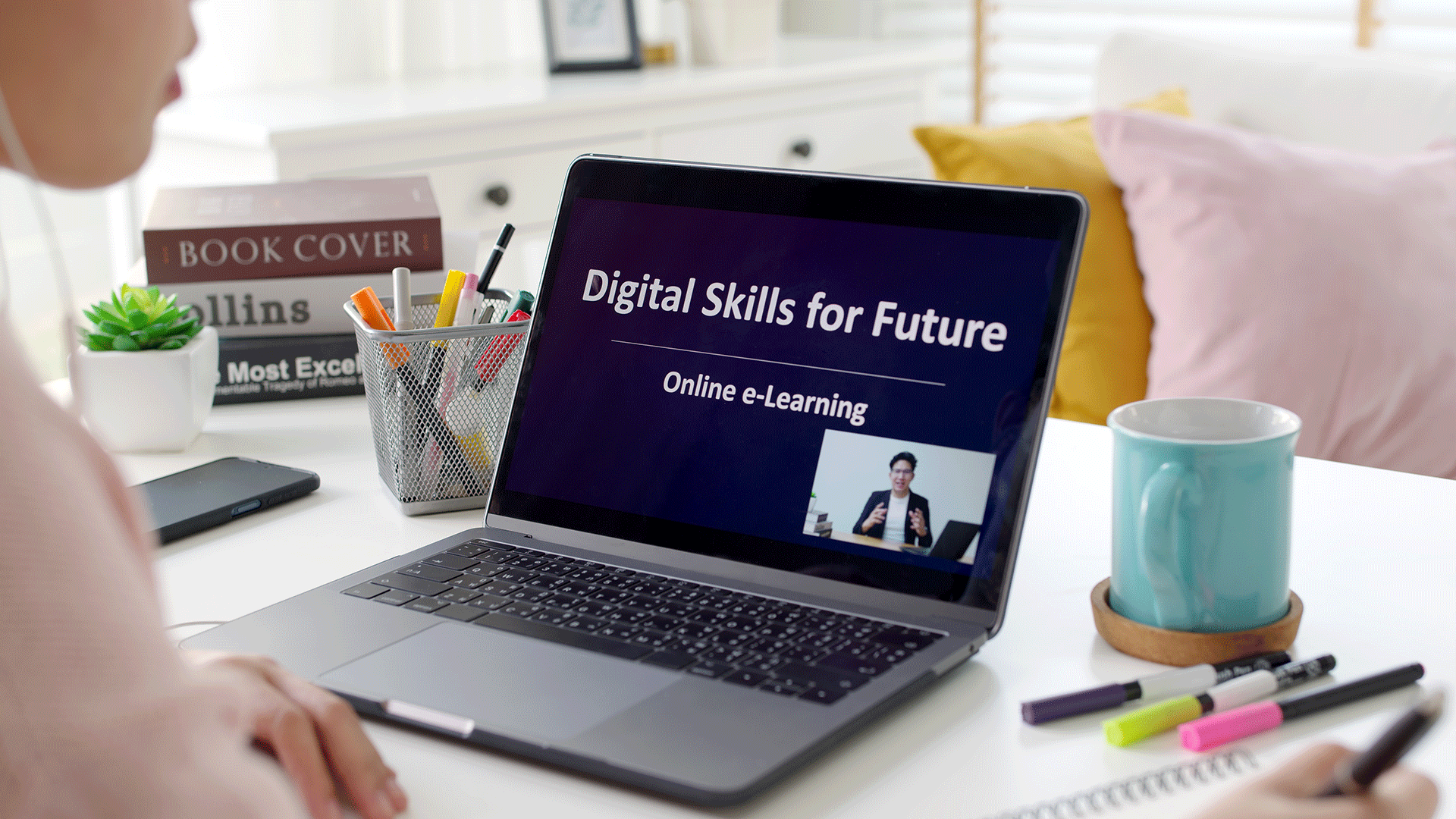
Online learning is no longer a trend, it’s a massive movement reshaping how people learn and how experts share what they know. The online education sector has grown rapidly and shows no sign of slowing. The global online learning industry is expected to reach hundreds of billions in value, with projections placing the market around $370 billion by 2026. That growth reflects both broad adoption and deep trust in digital learning solutions. This shift has been driven by demand for flexible, accessible, practical education. Unlike traditional models where learners must attend scheduled classes in fixed locations, online platforms let people learn on their own terms and in real-world settings. Students can carry new skills straight from lessons into their daily lives, work environments, and professional practices. This model bridges the gap between theory and application, making education far more responsive to real needs. Universities were early adopters of online formats, but modern technology puts powerful tools in the hands of individual educators, business professionals, and industry specialists. Anyone with deep experience can now create structured online learning with relatively low investment. Platforms no longer require expensive infrastructure or complex systems. The barrier to entry is far lower, and people with practical expertise can compete alongside formal institutions by creating content that is engaging, immediately applicable, and designed around outcomes learners value. Artificial intelligence and automation are critical parts of this evolution. AI in education is one of the fastest-growing segments in the market, expanding by an estimated 45 % annually as tools become more intelligent and adaptive. AI now helps personalise learning paths, tailor content, automate assessments, and provide real-time feedback. Learners get experiences tuned to their pace and strengths, a level of personalisation that traditional classrooms have struggled to deliver. Another important trend is how educational measurement has changed. AI-driven analytics help educators see precisely where learners struggle or excel and adjust content accordingly. Instant feedback and adaptive learning paths keep learners motivated and moving forward. That means education is no longer a one-size-fits-all lecture; it becomes an interactive journey shaped by data and learner behaviour. The size of the online learning audience continues to grow. The number of individuals engaging with online courses is projected to exceed tens of millions globally, with many users preferring flexible, mobile-friendly learning environments over rigid class schedules. Corporate and professional training is another major driver. Most organisations now use online learning to train teams, close skill gaps, and support workforce development. This demand feeds a sustained boom in both supply and revenue in the online education space. Online platforms also support diverse forms of learning. Courses can include video lessons, interactive exercises, downloadable resources, live sessions, community forums, and more—all within a single system. Learners can pause, revisit, and apply knowledge immediately to practical tasks. This type of learning is far more flexible than traditional classrooms and directly linked to outcomes learners care about, such as job skills, career advancement, or business growth. Importantly, online education is not just about volume; it’s about quality and relevance. Younger generations and professionals alike expect learning to be efficient, practical, and adaptable to changing needs. They want education that moves with them, whether on mobile, at the workplace, or in daily routines. Modern platforms make that possible. Online learning also creates opportunities for subject matter experts to build their own brands, connect with audiences worldwide, and generate income from their expertise. Courses, memberships, coaching programs, and specialised training can be monetised without the limitations of physical classrooms. This opens up education to niche markets that traditional institutions may overlook. The rapid growth of online education reflects a broader shift in how knowledge is shared and consumed. With strong market expansion, powerful technology, and increasing learner preference for flexible, practical formats, online learning platforms are positioned to remain a core part of education now and into the future.

SEO Basics Still Matter: But the Game Has Changed There’s no magic trick to hit #1 on Google overnight. But there are simple, proven steps that make your website easier to find, not just on Google, but also on AI-powered tools like ChatGPT, Gemini, and voice search. AI tools don’t just scan websites, they summarise them, recommend them, and even answer questions using your content. That’s why smart, consistent SEO is more important than ever. Here are 5 essential SEO habits to help your site get found, by people and AI: 1. Write for humans, not robots High-quality, original content is still king. Make sure your writing is clear, relevant, and error-free. Avoid keyword stuffing or copying from other sites, both Google and AI can spot the fakes instantly. 2. Add a blog and make it visual Fresh blog content keeps your site active and gives AI more to work with. Use images, videos, and infographics to boost engagement and shareability, and increase your chances of being referenced in AI-generated answers. 3. Focus on user experience If your site is clunky, pushy or confusing, visitors (and AI) will bounce. Keep your layout clean, your navigation simple, and your message clear. A good experience = more time on site = better rankings. 4. Link your pages with purpose Use internal links to guide visitors and AI through your content. Link relevant blog posts to your services, FAQs to your contact page, and so on. Just keep it natural. Think helpful, not spammy. 5. Check your Core Web Vitals Speed, stability, and mobile-friendliness matter. Google uses these metrics to rank you and AI tools rely on them to decide which sites are reliable and worth referencing. Run regular checks and fix what’s slowing you down. Want help applying this to your site? Book your free 30 Minute Online BrandWeb Audit and get a personalised fix list.
